
C-MISE: a catalyst for change across Europe
It is a dream come true for researchers when their work leads to tangible social impacts, mainly where it affects the lives of vulnerable people. Unfortunately, when we began to explore city responses to migrants with irregular ('undocumented') status back in 2013, this seemed unlikely. City officials were reluctant even to discuss this sensitive topic in private, let alone together or in public. C-MISE has changed that.
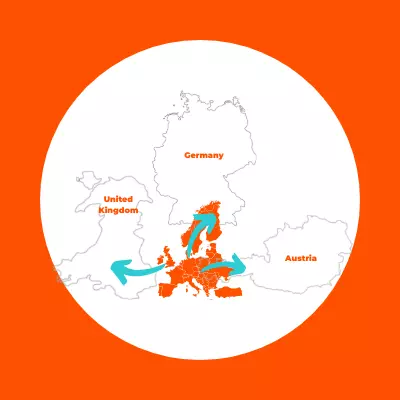
The research opened up a small space for dialogue and revealed an eagerness among cities to learn from each other and to bring the issues out into the open. It was possible to work with a small, committed group of officials and elected representatives to set up C-MISE, a knowledge exchange initiative in its fourth year. Having initially focused on gathering evidence to produce comprehensive guidance for municipalities on how to respond to the needs of this group of residents and to address the impact of their exclusion on municipal agendas, the C-MISE outreach has now engaged nearly 50 cities across 18 countries; addressing every topic from the effects of COVID 19 to the provision of legal advice and protection for victims of crime.
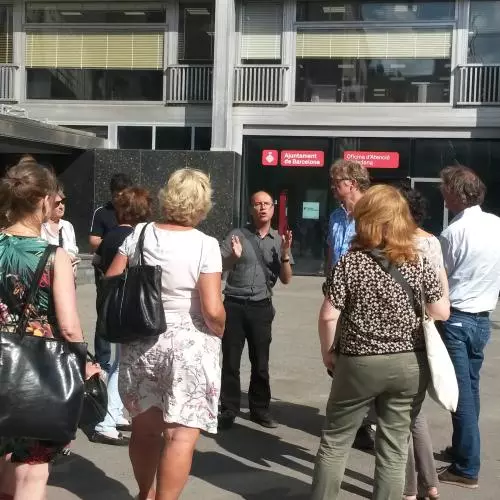
The scale of impact is always difficult to gauge. Any local authority can act on the guidance without our knowledge. But we do know of significant reforms already underway in cities at the heart of C-MISE, inspired or informed by its deliberations and initiated with confidence from being part of a European group of like-minded peers. For example, Ghent is setting up a Reception and Orientation service providing access to shelter and advice on resolving immigration status; Frankfurt has set up a unit to which patients with irregular status can be referred for legal advice signposted to other council services. Zurich is pursuing plans to create a civic ID card for all residents, regardless of status, to facilitate access to cultural facilities and services. Barcelona credits our research as providing a solid framework for its published strategy on irregular migrants in the city. Utrecht was empowered to negotiate, with other Dutch cities, an agreement with the Dutch government in 2018 that now resources the provision of 'Bed, bath and bread' in the city for those who, because of their status, would otherwise be destitute, an approach now being considered by the Belgian government. Meanwhile, Milan has extended its legal advice provision to those with irregular status and partnered with Italy's association of municipalities to engage 20 cities in sharing evidence and good practice.
The beneficiaries are not only migrants in need but all local residents, for whom municipal agendas - from public safety and child protection to tackling domestic violence and homelessness - will not be undermined by excluding this section of the population.
Even at the EU level, the research and engagement have opened a door. For example, the EU's Strategy on Victims' Rights 2020-2025, citing our work, commits the Commission, for the first time, to explore legislative proposals that would provide support to all victims, regardless of status, and urges Member States to ensure that access to justice is, genuinely, open to all.
So it is not only policies and practices that are changing. C-MISE has brought recognition of the challenges posed to cities by the exclusion of migrants with irregular status and acknowledgement that the solutions they propose need to be heard.